Q. When is a plant considered invasive?
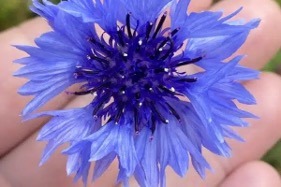
A plant is considered “invasive” when it’s introduced to a new place (where it doesn’t naturally belong), and then it basically takes over! It grows really aggressively, out-competes the local plants, and starts messing with the natural balance of the ecosystem. So, it’s not just about being non-native; it’s about being non-native and harmful.
Ever seen a plant taking over a garden or a natural area and thought, “Whoa, that wasn’t here before?” Well, you might have spotted an invasive plant! These are like the uninvited guests of the plant world – they show up, they spread like crazy, and they can cause a lot of trouble for our local plants, animals, and even us.
Why Are They Such a Problem?
Think of it this way:
- They’re Bullies: Invasive plants can grow really fast and outcompete our native BC plants for space, sunlight, water, and nutrients. This means our local species can’t thrive, and sometimes they even disappear.
- Home Wreckers: When native plants disappear, the animals that depend on them for food and shelter also suffer. It’s like taking away their homes and grocery stores!
- Nature’s Mess: They can mess with the way ecosystems work, changing soil, water, and even how wildfires behave.
- Ouch, My Wallet! Dealing with these plants costs a lot of money, whether it’s for farmers, foresters, or just people trying to enjoy their parks. They can also make outdoor activities less fun or even impossible.
Why are some plants such successful invaders?
A few reasons:
- They’re Super Breeders: They can make a lot of seeds or spread in other ways, really quickly.
- Travel Bugs: Their seeds or pieces can easily hitch a ride – maybe on wind, water, animals, or even our clothes and cars!
- Tough Cookies: They can survive and thrive in all sorts of different places and conditions, even when things get tough.
If you are unsure about a plant, there is help through the invasive species council (see link below). They list the more common or well known “thugs”. Also, if you love a plant and want it, they have suggestions of similar plants that are not invasive. Keep in mind that just because it is sold in a garden centre doesn’t mean that it won’t be invasive in your area. Research before you plant in the ground. Consider planting in a container until you are sure you aren’t unleashing an invasive plant.
Sources:
https://bcinvasives.ca/take-action/identify/
https://inspection.canada.ca/en/plant-health/invasive-pests-and-plants/invasive-plants
Q. I want to grow onions for storage. Any advice?

Here’s a plan to successfully grow and store onions in British Columbia:
- Onion type
Opt for long-day or intermediate-day onion varieties that are known for good storage, like ‘Patterson F1’ or ‘Redwing’. Avoid sweet onions as they don’t store well. - Timely Planting
For best storage, start seeds indoors in mid to late January, transplanting outside in late April/early May. If using sets, plant them in early spring before the last frost. Onions need cool weather for top growth, then warmth for bulbing. You can also sow directly in the garden to grow your own sets for next year. - Ideal Conditions
Plant in full sun (10-12 hours daily) and well-drained, fertile soil with a pH of 6.5-7.0. Don’t plant toodeep; most of the bulb should form on the surface. - Nurture Growth
Water consistently until early August, then stop to encourage maturity. Weed diligently as onions compete poorly. Fertilize with a balanced organic blend, side-dressing with nitrogen during top growth, but stop once bulbing starts. Thin seedlings to 5-8 cm (3-4 inches) apart. - Harvest and Cure Properly
Harvest when tops yellow and fall over, typically mid-summer to early fall. Gently lift bulbs and cure them for 2-4 weeks in a warm (20-27°C or 68-80°F), dry, well-ventilated, shaded area until necks are fully dry and papery. Trim roots and tops after curing. - Store Smart
Store cured onions in a cool (0-7°C or 35-45°F), dry, dark place with excellent air circulation. Use meshbags or racks; avoid airtight containers. Keep them away from potatoes (too much moisture) or fruit (Ethelyne gas) and check regularly for spoilage. - Pests & disease. There is help in the sources below for everything from slugs, thrips, onion maggotand problems with fungus and blights.
By following these tips, you should be able to enjoy a bountiful harvest of storage onions from your British Columbia garden all winter long!
Sources:
http://www.lindagilkeson.ca/gardening-pdf/Winter%20Gardening%202025%20-%20April%2021.pdf
http://www.lindagilkeson.ca/gardening_tips.html
https://www.westcoastseeds.com/blogs/wcs-academy/soil-temperature-day-length
https://www.westcoastseeds.com/blogs/wcs-academy/about-onions
https://www2.gov.bc.ca/gov/content/industry/agriculture-seafood/agriservice-bc/production-guides/vegetables/dry-bulb-onions#insect-management