
Q. Last year my cabbage head cracked. Why?
Cabbage is generally grown for their densely leaved heads and are mature when they are firm and solid to the touch. Cabbage prefers cool weather, full sun, and fertile, well-drained soil enriched with organic matter. Once planted, provide 1–2″ of deep, even watering per week throughout the growing season and mulch to conserve moisture and control weeds. Side-dress with nitrogen 4 weeks after planting, then stop feeding once heads begin to form to avoid splitting.
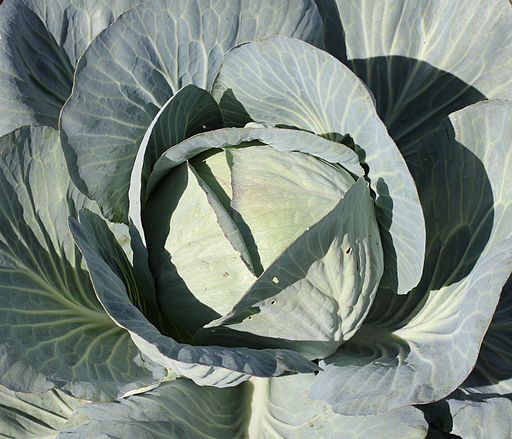
Harvest firm, full-size heads before they crack by cutting the stalk just below the bottom leaves with a blade. The outer leaves are trimmed, and any diseased or damaged leaves are removed leaving inner wrapper leaves for protection. Cabbage stores well in cold, high-humidity conditions for several months.
As cabbage heads are somewhat prone to splitting, this is more likely to occur late in the season when the heads are almost ready for harvest. Split cabbage heads usually follow a heavy rain, especially after a period of dry weather. At this time, the roots absorb excess moisture when the cabbage heads are moderately firm and the pressure from internal growth causes the head to split. Split heads can also occur when a dry period is followed by the grower over-watering. To assist in avoiding splitting in a mature cabbage, slightly pull the cabbage head up out of the soil to break up some of the side roots. This will help stop excess water from being transported into the head.
Harvest your cabbage when the head is nice and firm, even if smaller than you had hoped. If your cabbage head splits, harvest it immediately, cut off the split section, and use the rest.
Sources
Deardorff, Davie; Wadsworth, Kathryn, What’s Wrong with My Vegetable Garden, Timber Press Inc., 2011.
https://www.gardeningknowhow.com/edible/vegetables/cabbage/splitting-cabbage-heads.htm
https://www.rhs.org.uk/vegetables/cabbages/grow-your-own
https://extension.usu.edu/yardandgarden/research/cabbage-in-the-garden
Q. Is Mouse Plant invasive?
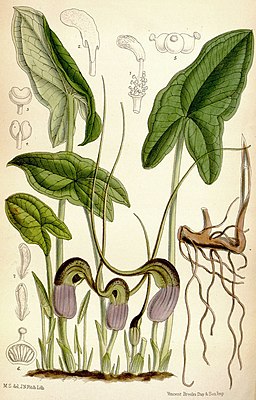
Mouse plant or Arisarum proboscideum is an herbaceous woodland perennial that flowers in April with delicate maroon and white flowers with tail-like tips that hide under glossy leaves and resemble the back ends of mice. The mouse plant’s leaves will gradually make a low mat forming groundcover given the right growing conditions, until going dormant in midsummer.Mouse plant will grow best in rich well drained moist soil in a location with light to open shade or morning sun and afternoon shade. The small plant will go dormant in midsummer to avoid dry weather but will return undamaged the next year. Considered an excellent option for hard-to-fill shady areas, mouse plant will spread rapidly once established and can be considered ‘invasive’ as it tends to spread aggressively. Should you want to contain the mouse plant, plant it in a container. As well, mouse plant is often sold as an indoor plant but will again go dormant for part of the year.
Sources
https://www.gardeningknowhow.com/ornamental/flowers/mouse-tail-plant/growing-mouse-tail-plants.htm
https://www.rhs.org.uk/plants/1569/arisarum-proboscideum/details