- To remove English Ivy, do I have to pull out all the roots or I can just cut of at the ground?
- How can I improve the pollination of my plum trees?
Q. To remove English Ivy, do I have to pull out all the roots or I can just cut of at the ground?
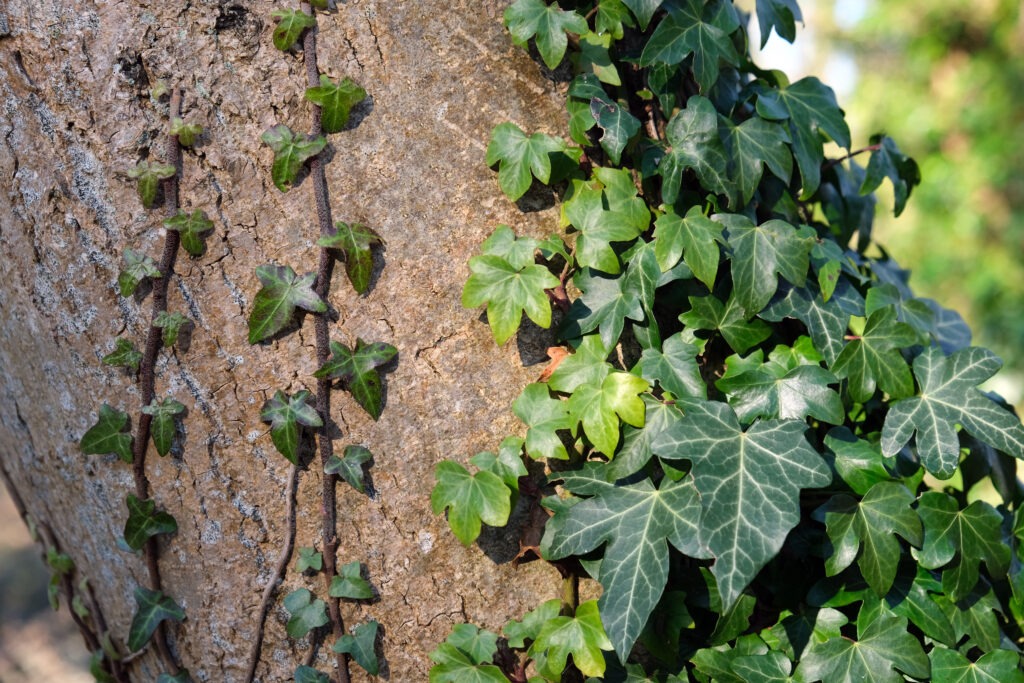
The best answer is to do both cutting and pulling. In summer or fall, cut the vines above ground for easier removal (from whatever they’re attached to). What is left underground will absolutely regrow, even small parts of roots, so this must all be removed by digging and pulling. Bag all parts and dispose into the landfill.
If digging and pulling is not an option for you, it is possible to slowly starve the root system by constantly cutting any new shoot that appears. This may take years, but eventually the roots will exhaust themselves and die.
Alternatively, you can try starving the regrowing plant of sunlight by covering the cut root with a thick application of cardboard and at least 30 cm of heavy mulch, like woodchips or chunks of sod. This is the most passive method, and can be moderately successful, although you will run the risk (especially with large, vigorous root systems) of new vines emerging from under the cardboard.
English ivy (Hedera helix) is one of the most difficult invasive plants for home gardeners to remove. It may take several years to finally be rid of it. Whatever your method, tenacity will pay off. Be sure to wear long shirtsleeves and gloves, as ivy can cause skin rashes.
Sources
https://bcinvasives.ca/wp-content/uploads/2021/01/English_Ivy_Factsheet_March2017.pdf
The Ann Lovejoy Handbook of Northwest Gardening (Lovejoy, 2007)
Image: kallerna, CC BY-SA 4.0 https://creativecommons.org/licenses/by-sa/4.0, via Wikimedia Commons
Q. How can I improve the pollination of my plum trees? Haven’t had much success with a Q-tip.
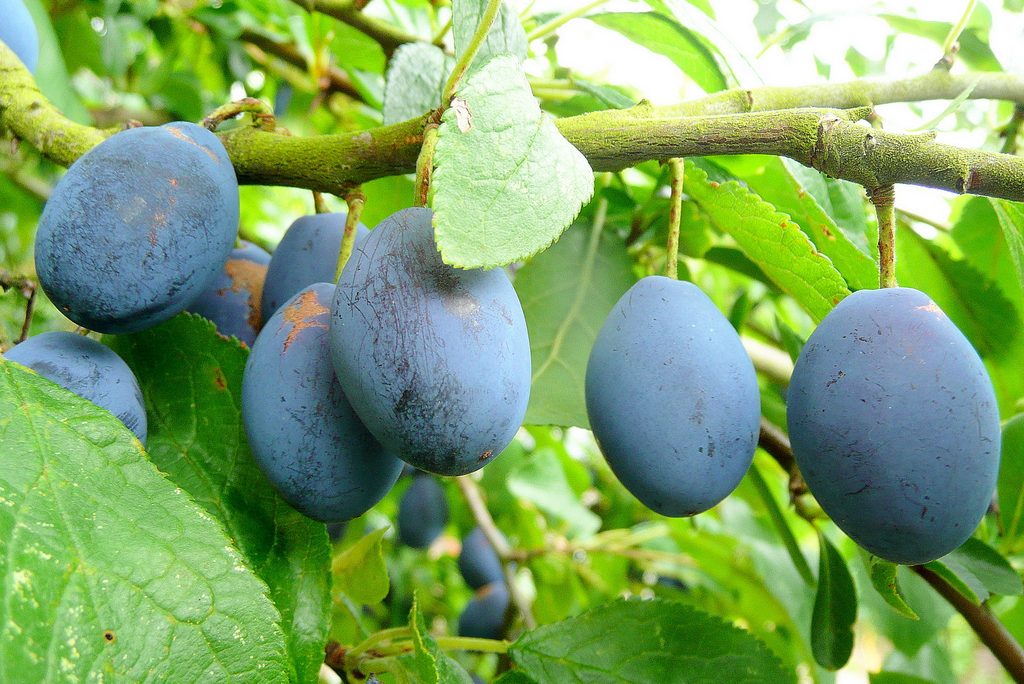
There are several factors that impact plum pollination, namely pruning, plum type, fertilization requirements, bloom time, and spring conditions.
Plums should be pruned in early spring to midsummer, removing dead, damaged or diseased branches, and to establish a healthy shape (open habit, with outward facing buds).
Japanese plums flower earlier than European plums. On the coast they can flower before pollinators are available, so using a tool (Q-tip, soft brush, feather duster, etc.) to mechanically pollinate makes sense for self-fertile varieties. Japanese plums are, however, mostly not self-fertile, so it is best to have another variety of Japanese plum planted nearby (that you can access).
European plums flower later and take advantage of available pollinators. Some are self-fertile, others are not. Regardless, it is always best to have other European plums around for cross-fertilization and the larger fruit yields that result.
Once the blooms have been pollinated, they are at the mercy of spring weather. Cold snaps and heat waves can both damage trees. Mulch to the dripline with several centimeters of rich organic mulch in spring and fall. If early summer is dry, be sure to water trees as needed to support fruit growth.
Sources
Backyard Bounty (Linda Gilkenson, 2018)
Landscaping with Fruits and Vegetables (Hagy, 1990)
Image: Jonathan Billinger / Damson, Prunus insititia via Wikimedia Commons