Category: Resource
-
You Asked Us – September 2026
Q. My cucumbers are misshapen. What is wrong? I would be interested to know how your cucumbers are grown, in the ground or in a pot, andhow the vine has been supported as it develops. An unsupported cucumber plant trailing on theground is much more likely to have misshapen fruit and a lower crop yield.…
-
Brown Marmorated Stink Bug
CLINIC REFERENCE – VMGA – July 10/2026 A native pest of Asia, the brown marmorated stink bug (Halyomorpha halys) has been in NorthAmerica for 25 years and in British Columbia for the past 10 years. First seen in Chilliwack in2016, it is now established in urban areas of southwest British Columbia, including Vancouver,the Fraser Valley,…
-
You Asked Us – July 2026
Q. Last year my pole beans grew to 1 meter high then stopped growing. I used new seeds. What can I do this year? To determine why your beans stopped growing their true height make sure your site is receiving full sun(6-8 hours) per day. Were you planting in the ground or in pots? Was…
-
You Asked Us – June 2026
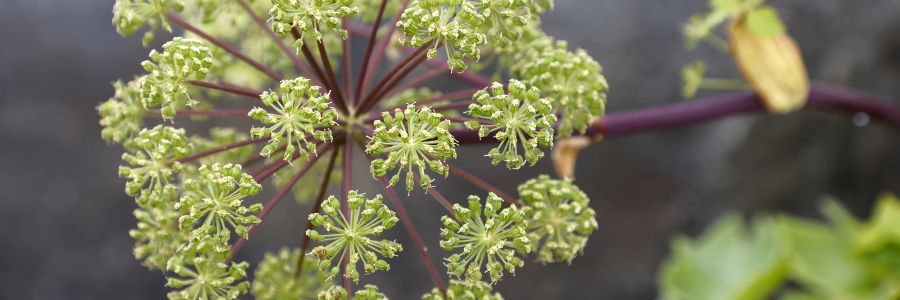
Q. Is Angelica archangelica edible? Is it a perennial? Angelica archangelica or Garden Angelica is generally considered a non-aggressive biennial in home gardens. A biennial plant is a flowering plant that takes two years to complete its biological life cycle. In the first year, it grows roots, stems, and leaves (rosette), then goes dormant. In…
-
Growing Cucumbers Twice in Vancouver — Timing, Yield Cycles, and Early Establishment
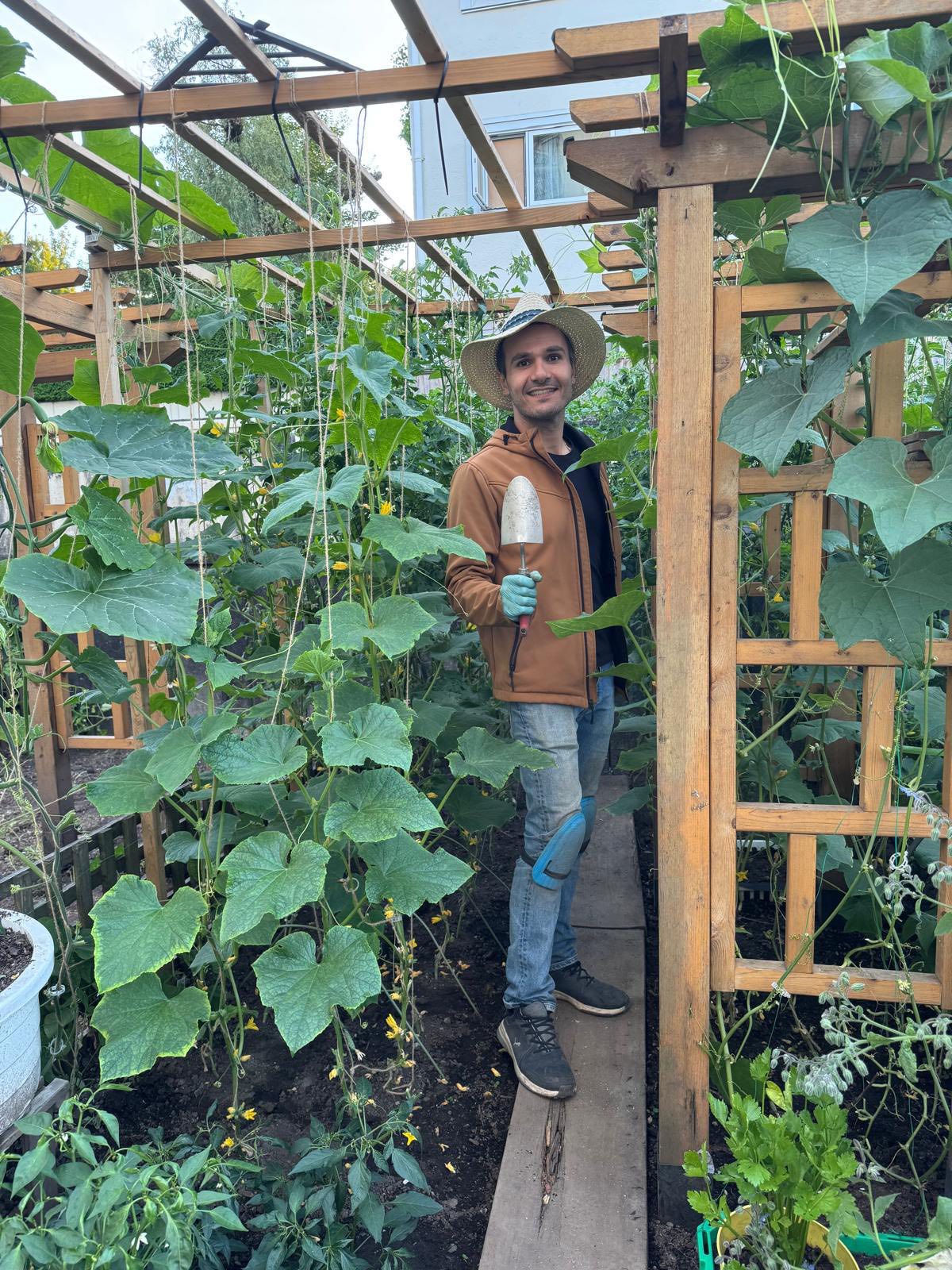
Cucumbers are often treated as a single-season crop. In Vancouver, they don’t have to be. What follows is based on my own experience growing cucumbers in Vancouver over several seasons not controlled research. The goal is not to maximize production, but to stabilize yields across a short and variable growing season. Timing: Two Plantings, With…
-
Holiday Cactus
When does your cactus flower? Thanksgiving? Christmas? Easter? When hers bloomed at Halloween, Patricia Covington, MG 2017, turned to the Gardener for Canadian Climates to identify what she was growing. She summarizes what she learned in this article.
-
The Light Eaters
Charlotte Lundeen, MGiT 2026, reviews Zoe Schlanger’s deep dive into the science of plant intelligence and the plant world’s message to us humans. If you are a plant nerd, that enjoys geeking out on nomenclature, plant facts and cool trivia on plant communication, this is your book. To quote Charlotte, “This book was saturated with…
-
What might climate change mean for Prince George?
Gardeners more and more struggle with accurately predicting their plant hardiness because weather and climate seem to be more unpredictable and extreme. In this article, Patricia Covington, MG 2017, explores a recent update from Natural Resources Canada on Plant Hardiness zones in relation to our northern gardens. Learn more about the update at planthardiness.gc.ca
-
You Asked Us – December 2025
Q. How do I deal with aphids on my roses? Aphids are small, soft-bodied, rounded insects which may be black, pink, or pale green. They cluster on new growth on the underside of leaves, sucking plant sap causing wilted, discoloured, and stunted leaves. Aphids feed on the surface of leaves and are not enclosed or…